What Longford council rules mean for funeral flowers
Posted on 22/10/2026
Arranging funeral flowers is one of those tasks that seems simple until you are doing it while also trying to stay calm, make decisions quickly, and avoid getting something wrong. If you are trying to understand what Longford council rules mean for funeral flowers, you are probably looking for clear, practical guidance rather than formal jargon. Fair enough.
In plain English, council rules usually affect where flowers can be delivered, when they should arrive, how they are displayed, and whether anything needs to be removed after the service. The details can vary by venue and by the local authority or cemetery arrangements involved, so the safest approach is to plan carefully and keep the florist, funeral director, and venue in the loop. This article explains the likely expectations, the common pitfalls, and the easiest way to keep everything respectful and straightforward.
Need funeral flowers in Longford? Many families choose to order through a local funeral flowers Longford service so the arrangement can be prepared and delivered with the setting in mind. That small bit of local knowledge can make a surprising difference on the day.
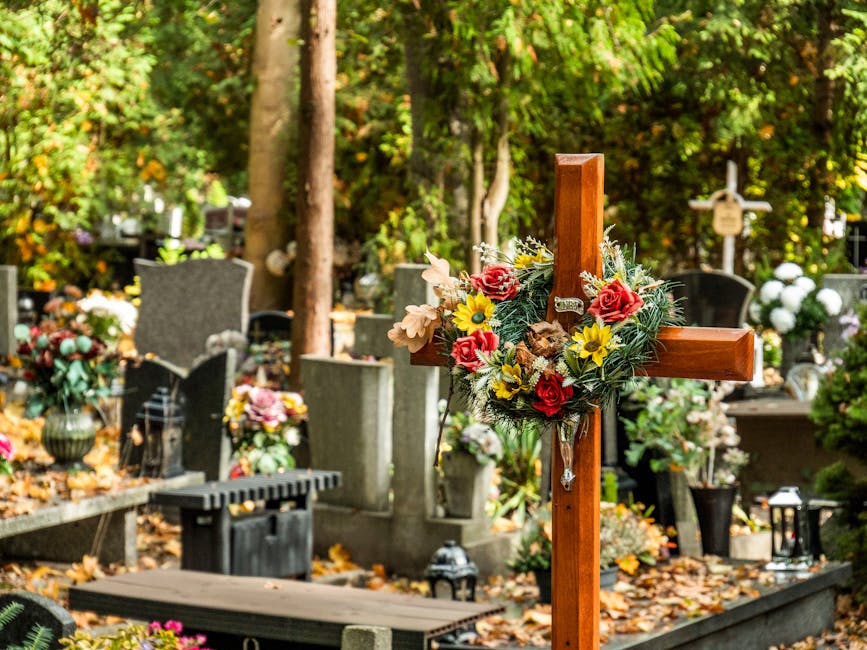
Table of Contents
- Why what Longford council rules mean for funeral flowers matters
- How the rules usually work in practice
- Key benefits and practical advantages
- Who this is for and when it makes sense
- Step-by-step guidance
- Expert tips for better results
- Common mistakes to avoid
- Tools, resources and recommendations
- Law, compliance, standards or best practice
- Options, methods, or comparison table
- Case study or real-world example
- Practical checklist
- Conclusion
- Frequently asked questions
Why what Longford council rules mean for funeral flowers Matters
Funeral flowers are not just decoration. They are part of the goodbye. They carry the tone of the service, show respect to the person who has died, and help families express feelings that are sometimes too heavy for words. That is why the rules around delivery and placement matter more than people expect.
In a practical sense, council-related rules and venue requirements help avoid awkward problems on the day. For example, a large wreath might not fit neatly in a chapel entrance, or a tribute may need to be placed away from walkways if the site has space limits. Sometimes flowers must arrive during a specific window because the ceremony room is booked tightly. Sometimes the funeral director asks for a particular shape or size so the display sits properly near the casket. Small details, but they matter.
There is also the emotional side. The last thing a family needs is a delivery held at the wrong gate, or a tribute that has to be moved because it is too large for the space. To be fair, most of these problems are avoidable if the order is handled with care and the local setting is understood before the flowers leave the shop.
Longford sits close to busy transport routes and mixed-use areas, so timing and access can be a real factor. A driver may need clear instructions, and a florist may need to plan around parking, chapel access, cemetery gates, or road restrictions. It is not dramatic. It is just one of those real-world things that can trip people up if they assume all venues work the same way.
Key takeaway: council and venue rules around funeral flowers are usually about respect, access, timing, and safety. If you plan those four things properly, most of the stress disappears.
How what Longford council rules mean for funeral flowers Works
There is no single universal rulebook that covers every funeral flower arrangement in Longford. In practice, the rules usually come from a mix of location types: crematorium or cemetery guidance, funeral director instructions, church or chapel preferences, and local access or waste-management requirements where relevant.
Here is the simplest way to think about it:
- Venue rules tell you what can be placed where.
- Delivery rules tell you when and how flowers should arrive.
- Display rules tell you how large, how formal, or how secure the tribute should be.
- Removal rules tell you what happens after the service or burial.
If the funeral is at a crematorium or cemetery, flowers may need to be left in a designated area, especially if the site manages multiple services in one day. If the service is in a church or private venue, the organiser may allow more flexibility, but that does not mean everything is automatic. The sensible move is to ask before ordering. Really ask. Don't just guess and hope it works out.
Most florists will also think about flower choice. For a memorial setting, white lilies, chrysanthemums, roses, sprays, cushions, wreaths, and posies are commonly chosen because they suit the mood and are easy to display. If you are unsure, a local florist can guide you toward a respectful option, such as sympathy flowers, wreaths, or a more traditional tribute style. Sometimes the best arrangement is the one that quietly fits the moment.
Delivery timing is another major part of the process. Funeral flowers usually need to arrive early enough for staff to arrange them, check names and tribute wording, and place them correctly before mourners arrive. If the venue is busy or there is a short turnaround between services, last-minute delivery can become awkward fast. You do not want the driver arriving just as the curtains are opening. Nobody does.
Key Benefits and Practical Advantages
Understanding the local rules around funeral flowers is not about being fussy. It is about making a difficult day easier. There are real advantages to getting it right from the start.
| Approach | What it helps with | Why it matters |
|---|---|---|
| Ordering with venue details | Fit, placement, timing | Reduces delivery issues and avoids last-minute rearranging |
| Choosing a suitable design | Respectful presentation | Helps the tribute look appropriate for the service setting |
| Using clear card wording | Accurate identification | Prevents confusion during a busy service schedule |
| Coordinating with the funeral director | Placement and sequence | Ensures flowers are in the right place at the right time |
One benefit people often miss is emotional ease. When the flowers are ordered correctly, families can think about the service itself instead of fielding calls about gate codes or whether the wreath is too large. That sounds mundane, but on a tough day, mundane problems can feel enormous.
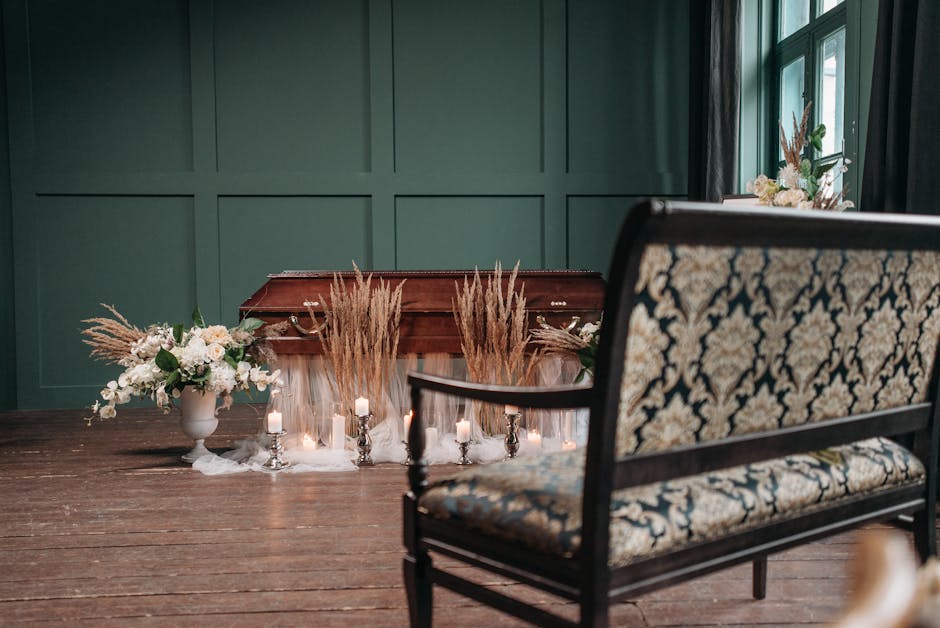
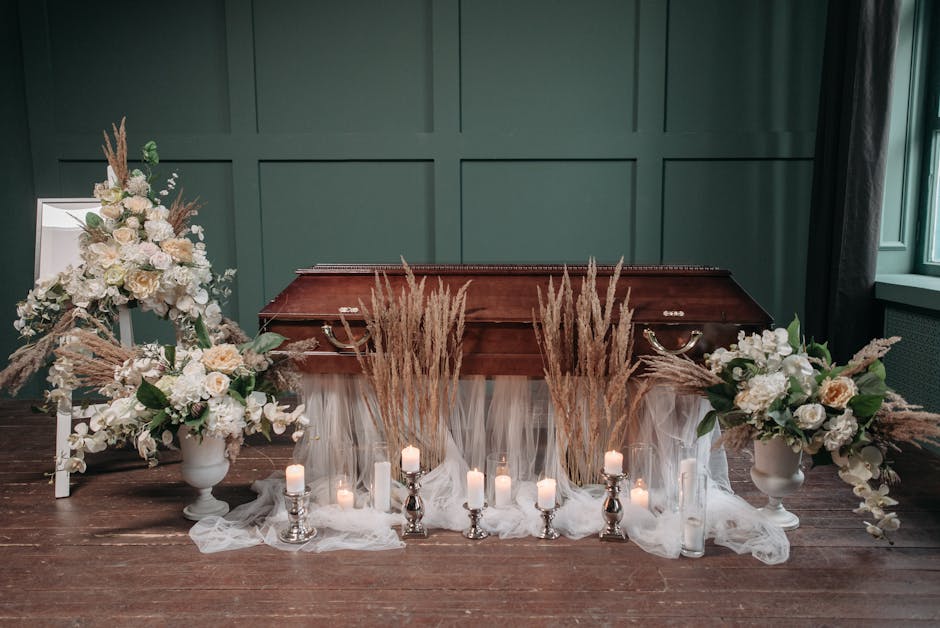
There is also a visual benefit. A well-chosen tribute can help create a calm, coherent atmosphere at the service. A white spray or a gentle wreath beside a casket can feel peaceful and reassuring, while a bespoke letter tribute can make the ceremony feel more personal. If you want something simple and dignified, a local shop's funeral range is usually a good place to start.
And yes, if the council or venue has specific access arrangements, following them usually saves money too. Re-delivery, storage, or rushed replacement is rarely what anyone wants to pay for. Let's face it, nobody is in the mood for avoidable extras during bereavement.
Who This Is For and When It Makes Sense
This topic matters for more people than you might think. It is not only for the person formally arranging the funeral. It can help family members, close friends, funeral directors, local clergy, and even workplaces that are sending a tribute together.
You will find this especially useful if you are:
- ordering flowers for a crematorium or cemetery service in Longford
- trying to choose between a wreath, spray, posy, or tribute
- unsure about delivery timing or access restrictions
- working with a funeral director and need the flowers to match the schedule
- sending sympathy flowers to the family home after the service
- looking for something tasteful without overthinking every detail
There is also a difference between flowers for the service and flowers for the family. A service arrangement might need stricter venue planning, while a sympathy bouquet delivered to a home is usually more flexible. If you want a gentler, home-delivered option, local delivery pages such as flower delivery in Longford or send flowers Longford can be useful when the tribute is for personal comfort rather than the ceremony itself.
It also makes sense if you are helping someone else and do not want to overload them with choices. Truth be told, many people are relieved when a florist explains the options in plain English and narrows things down. That little bit of guidance can be a gift in itself.
Step-by-Step Guidance
If you want to handle funeral flowers properly and avoid the common headaches, follow this process.
- Confirm the service location. Is it a chapel, crematorium, cemetery, church, or private venue? The answer changes what is practical.
- Ask about any flower guidance. The funeral director or venue may have preferences for size, shape, or timing. Keep it simple and direct.
- Choose the right tribute type. Wreaths, sprays, hearts, cushions, posies, and letter tributes all work differently. A floral spray sits well on or near a coffin, while a wreath is often used as a traditional symbol of remembrance.
- Check delivery timing. Make sure the flowers arrive early enough for placement. A two-hour window is often better than a vague request, though exact expectations depend on the venue.
- Use the correct names and wording. Funeral cards should be clear, checked, and short enough to read easily. Misspellings are common, especially when people are rushed.
- Match the tribute to the tone of the service. Some services call for white and green. Others are more personal and may include favourite colours or a custom message.
- Confirm where the flowers go after the service. Will they be taken home, left at the graveside, or collected by the venue? Ask before the day arrives.
A useful detail: if the service has several tributes, try to order early so your arrangement can be made with the rest of the floral set-up in mind. It is much easier for the florist to plan one cohesive display than to squeeze in a last-minute request five minutes before close. That is just reality.
If you are unsure what style to choose, a florist choice option can be a sensible route. It gives the florist room to create something appropriate using seasonal stems and the service's colour tone. Browse the local selection of tributes or letter tributes if you want something more personal and visible.
Expert Tips for Better Results
After working through enough funeral flower orders, a few things become clear. Small decisions make a big difference.
1. Keep the message short. A simple line often lands better than a long paragraph. "With love and deepest sympathy" is perfectly enough. Nobody needs a mini speech on a card.
2. Choose colours with the venue in mind. White is a classic choice because it feels calm and respectful. Soft pink, lilac, or mixed pale tones can feel gentle too. Strong colours can work, but they should feel deliberate rather than accidental.
3. Think about the size of the space. A huge tribute is not automatically better. In a smaller chapel, something compact may look far more elegant and less overwhelming.
4. Use flowers that travel well. Not every bloom handles transport and waiting time the same way. Florists often recommend sturdy stems and well-constructed designs for service work. There is a reason chrysanthemums, roses, lilies, and carnations appear so often in sympathy arrangements.
5. Speak up about personal details. If the person loved a certain colour, football team, symbol, or flower, say so. A custom tribute can feel deeply meaningful. Sometimes the simplest tribute, with the right personal touch, is the one people remember.
6. Keep one eye on practicality. A beautiful arrangement is still a working item on the day. It must arrive, be carried, be placed, and sometimes be moved. A florist who knows the delivery environment can save you a lot of stress.
A quick human note here: we have all had those moments where we think, "I'll just sort this later," and later becomes one hour before the service. For funeral flowers, earlier really is better. Not perfect. Just earlier.
Common Mistakes to Avoid
Most problems with funeral flowers are not dramatic mistakes. They are little oversights that become a nuisance at the worst possible time.
- Ordering too late. This can limit choice and make delivery harder.
- Assuming every venue has the same rules. They do not.
- Using a vague delivery address. "The chapel in Longford" is not enough if there are multiple entrances or service rooms.
- Choosing an oversized tribute without checking space. It may not fit the display area.
- Writing too much on the card. A short message is usually easier and more elegant.
- Forgetting who the flowers are from. Simple, but surprisingly common when several relatives are contributing.
- Not confirming collection or disposal after the service. Flowers can be left behind if nobody has planned ahead.
One of the easiest errors to avoid is not checking the funeral schedule against the florist's production window. A florist may need time to make a meaningful arrangement properly. If you leave it too late, the result can be less refined than you wanted. Not because the florist is careless. Because time is time.
Another common issue is mixing up sympathy flowers for the home with funeral flowers for the service. They are related, of course, but not interchangeable. A home arrangement can be softer, broader, and less formal. A service piece needs more structure and clearer placement.
Tools, Resources and Recommendations
You do not need complicated tools to handle funeral flowers well. You need a short list, a bit of organisation, and a florist who listens.
- A notes app or checklist for names, addresses, time windows, and instructions
- A printed order confirmation in case anyone else needs to check details quickly
- Photos or reference descriptions if you want a very specific style
- The funeral director's guidance on placement and timing
- A clear budget so the florist can suggest something realistic
If you want a straightforward place to browse by style or occasion, a local florist website can help you compare tribute types without having to ring around three different shops. The Longford store pages for funerals, sympathy, and sympathy flowers make it easier to narrow things down by tone.
For practical delivery planning, it also helps to understand the business side of the florist's service. Pages such as delivery, guarantees, and returns and refund can give you a sense of how orders are handled if something changes. That reassurance matters, especially when the schedule is tight.
If you are the type who likes to check how a business works before ordering, the about us page can also be useful. It is a small thing, but it often helps people feel more comfortable when arranging something personal.
Law, Compliance, Standards, or Best Practice
For funeral flowers, the main point is not usually a single law written specifically for floral tributes. Instead, compliance comes from following venue instructions, respecting cemetery or crematorium rules, and meeting normal business and consumer expectations around delivery and accuracy.
In practical terms, best practice means:
- delivering flowers safely and on time
- making sure cards and tribute wording are correct
- following access and placement guidance from the venue
- not blocking entrances, walkways, or service areas
- disposing of packaging responsibly where required
If the arrangements are being delivered to a public or managed site, it is wise to assume that access rules matter. A driver may need to use a specific entrance or wait for a staff member. And if the venue asks for a particular placement, there is usually a reason. The respectful route is the right route.
Consumer-side standards matter too. A florist should communicate clearly about timing, substitutions, and any issues that affect the order. If flowers cannot be delivered exactly as planned, a sensible business should explain the situation rather than leave you guessing. That kind of clarity is part of trust, and trust is a big deal in funeral work.
It is also sensible to consider sustainability where possible. Some families prefer fewer floral materials, reusable containers, or seasonal stems. Others simply want the classic tribute and do not want to complicate the day. Both approaches are valid. The right choice is the one that feels respectful and manageable.
Options, Methods, or Comparison Table
Choosing the right funeral flower format is easier when you can compare the options side by side. Here is a simple guide.
| Flower type | Best for | Typical feel | Practical note |
|---|---|---|---|
| Wreath | Traditional remembrance | Formal, timeless | Usually easy to position and widely accepted |
| Spray | Coffin or casket display | Elegant, balanced | Often chosen by immediate family |
| Posy | Smaller tributes, table or graveside use | Gentle, compact | Good for limited space or simpler services |
| Heart or cushion | Personal tribute | Intimate, affectionate | Often suits family members who want something symbolic |
| Letter tribute | Names or initials | Personal, visible | Needs more space and careful delivery planning |
For many families, the decision comes down to this: do you want a traditional tribute that quietly blends into the service, or a more personal piece that stands out? Neither is wrong. It depends on the person being remembered and the atmosphere you want to create.
If you want a local choice with clear tribute styles, browsing pages like wreaths, sprays, and baskets and posies can help narrow the field quickly. Sometimes seeing the options is easier than imagining them.
Case Study or Real-World Example
Imagine a family arranging a memorial service in Longford for a loved one who preferred quiet, understated things. They want flowers that feel respectful, but they also need the tribute to arrive at a tight time slot because another service is booked immediately before theirs.
At first, they think a large wreath will be the safest option. Then they check the venue layout and realise the display space is smaller than expected. The florist suggests a white and green spray with a matching card message, plus a smaller posy for the family to take home afterwards. That plan suits the room better, keeps the delivery simple, and still feels personal.
A few days later, the family decides to add a short tribute line because it matters to them to include the person's favourite phrase. The florist confirms the wording, checks the service time, and schedules delivery before the first guests arrive. On the day, the flowers sit quietly in place. No drama, no awkward last-minute rearranging, just a calm and thoughtful tribute.
That is the kind of outcome you want. Not flashy. Not overdone. Just right.
In many cases, the most helpful service is one that reduces decision fatigue. Families are already carrying enough. A florist who helps you keep the arrangement suitable for the venue, the timing, and the emotional tone can make the whole process feel a little lighter. And honestly, that matters.
Practical Checklist
Use this checklist before you place the order or confirm delivery.
- Have I confirmed the exact venue and address?
- Do I know the service time and delivery window?
- Has anyone mentioned flower size, placement, or venue rules?
- Have I chosen a tribute style that suits the setting?
- Is the card message short, clear, and spell-checked?
- Have I said who the flowers are from?
- Do I know whether the flowers will be collected, taken home, or left at the venue?
- Have I told the florist about any colour preferences or special requests?
- Is the budget realistic for the style I want?
- Have I checked delivery details one last time before the day?
If you can answer yes to most of those, you are in good shape. A funeral order does not need to be complicated. It needs to be careful. There is a difference.
Conclusion
So, what do Longford council rules mean for funeral flowers? Mostly this: be practical, be respectful, and plan for the real conditions of the venue rather than assuming everything will work automatically. The main issues are usually timing, access, placement, and removal, not elaborate legal technicalities. Once you understand that, the process becomes much less intimidating.
A good funeral tribute should feel calm, appropriate, and easy for the family to receive. If you choose the right style, confirm the details early, and work with a florist who understands the local setting, you are already doing the most important part. The rest is the small stuff, and small stuff is manageable when it has been thought through.
Get a free quote today and see how much you can save.
And if you are still unsure, that is perfectly normal. Take one step at a time, ask the questions that matter, and let the tribute do its quiet work.
Frequently Asked Questions
Do Longford council rules apply to all funeral flowers?
Not always in the same way. Some rules come from the venue, some from the funeral director, and some from local access or site management arrangements. It is best to check the exact location rather than assume one rule fits every service.
Can I send funeral flowers directly to a crematorium or cemetery in Longford?
Usually yes, but only if the venue allows it and the delivery details are clear. You need the full address, service time, and any instructions about where the flowers should be left.
What type of funeral flowers are most suitable?
Wreaths, sprays, posies, cushions, and hearts are all common choices. The right one depends on the tone of the service, the available space, and how personal you want the tribute to feel.
How early should funeral flowers be delivered?
They should usually arrive before the service begins, with enough time for staff or the florist to place them properly. Exact timing depends on the venue, but early delivery is safer than cutting it fine.
Are white flowers always the best choice for a funeral?
White is a very common and respectful option, but it is not the only one. Soft pink, purple, green, and mixed arrangements can also work well, especially if they reflect the person's taste.
Can I include a personalised message on funeral flowers?
Yes, and it is often a good idea. Keep the message short and clear so it is easy to read during the service. A simple line often carries more weight than a long note.
What happens if the venue says my tribute is too large?
The florist may need to adjust the design or suggest a smaller arrangement. This is one reason why checking the space before ordering is so useful. It saves stress later.
Is there a difference between sympathy flowers and funeral flowers?
Yes. Sympathy flowers are often sent to the home to offer comfort, while funeral flowers are intended for the service or burial itself. They can overlap, but the setting usually changes the style.
Should I choose a florist choice option for a funeral order?
If you want a tasteful arrangement without micromanaging every detail, florist choice can be a very sensible option. It gives the florist room to match the mood, season, and budget.
What if I do not know the exact funeral rules?
Ask the funeral director, venue, or florist before ordering. That is the safest route. A quick call or message can prevent the most common mistakes.
Can funeral flowers be delivered on the same day?
Sometimes they can, depending on the florist's availability and the time of the service. Same-day delivery may be possible for simpler arrangements, but funeral orders are best placed as early as you can.
What should I do after the service if flowers are left behind?
Check in advance whether the flowers will be collected, taken home, or left at the graveside. If no plan is made, the venue may handle them according to its own process, which is why this detail is worth confirming beforehand.